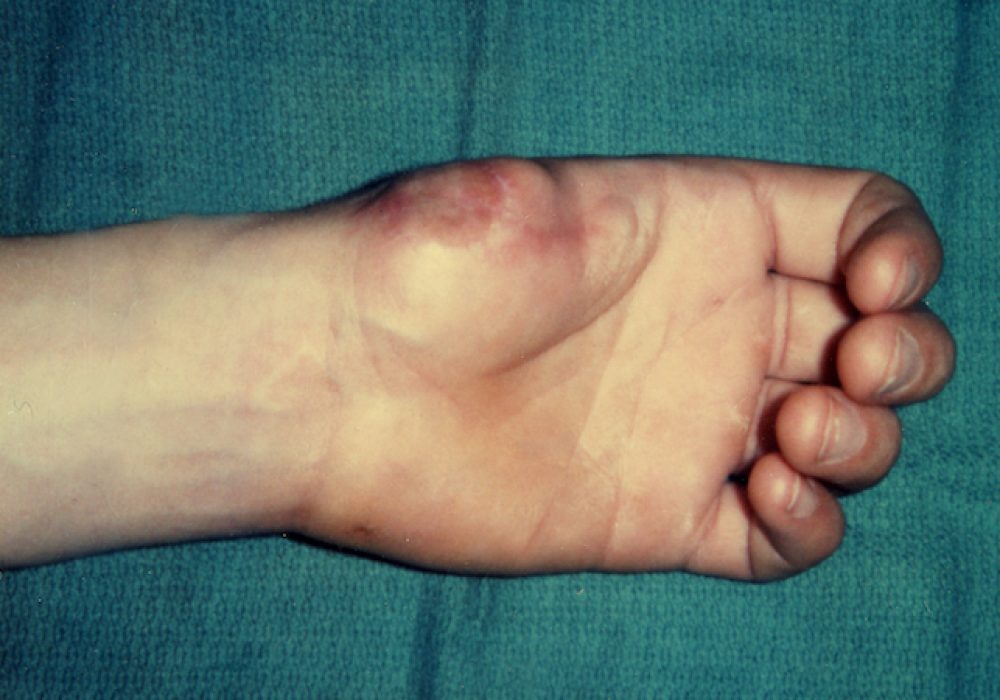
Thumb amputation refers to the partial or complete loss of the thumb due to injury, disease, or surgical removal. It can involve the distal phalanx (tip), proximal phalanx, or the entire thumb including the metacarpal bone. The thumb accounts for approximately 40-50% of hand function, so its loss profoundly affects hand strength and coordination.
Causes of Thumb Amputation
Traumatic Causes
Traumatic thumb amputation occurs due to accidents such as:
- Industrial or workplace injuries involving machinery.
- Motor vehicle accidents.
- Crush injuries.
- Sharp lacerations or cuts.
- Animal bites.
Non-Traumatic Causes
Non-traumatic causes include:
- Severe infections or gangrene.
- Malignant tumors requiring surgical removal.
- Congenital absence or deformities.
Anatomy and Function of the Thumb
The thumb consists of two phalanges (proximal and distal) and a metacarpal bone. It is highly mobile due to the saddle-shaped carpometacarpal joint, allowing opposition — the ability to touch the thumb to other fingers. This movement is essential for grasping, pinching, and manipulating objects.
The thumb’s muscles, tendons, nerves, and blood vessels work in harmony to provide strength, sensation, and fine motor control. Loss of the thumb disrupts these functions, leading to significant disability.
Clinical Presentation
Patients with thumb amputation may present with:
- Visible loss or deformity of the thumb.
- Pain and swelling in acute injuries.
- Loss of grip strength and dexterity.
- Difficulty performing tasks such as writing, buttoning, or holding objects.
- Psychological distress due to functional impairment and cosmetic concerns.
Initial Assessment and Management
Emergency Care for Traumatic Amputation
- Control bleeding: Apply direct pressure or a tourniquet if necessary.
- Preserve the amputated thumb: Wrap in moist sterile gauze, place in a sealed plastic bag, and keep cool.
- Pain management: Administer analgesics.
- Tetanus prophylaxis: Update immunization.
- Transport: Urgent referral to a hand surgeon or specialized center.
Clinical Evaluation
- Assess the level and extent of amputation.
- Evaluate vascular status and nerve function.
- Check for associated injuries to the hand or upper limb.
- Obtain imaging studies such as X-rays to determine bone involvement.
Treatment Options
The management of thumb amputation depends on the injury level, patient factors, and available resources. The primary goals are to restore function, preserve length, and achieve acceptable cosmetic results.
- Visible loss or deformity of the thumb.
- Pain and swelling in acute injuries.
- Loss of grip strength and dexterity.
- Difficulty performing tasks such as writing, buttoning, or holding objects.
- Psychological distress due to functional impairment and cosmetic concerns.
Replantation
In cases of traumatic amputation with a viable thumb, microsurgical replantation is the preferred option. This involves:
- Reattachment of bones, tendons, nerves, and blood vessels.
- Requires specialized microsurgical expertise.
- Best outcomes occur when performed within 6-12 hours of injury.
- Postoperative care includes immobilization, infection prevention, and rehabilitation.
Revision Amputation
If replantation is not possible, revision amputation is performed to create a functional and pain-free stump. This may involve:
- Bone shortening and contouring.
- Soft tissue coverage with local flaps or skin grafts.
- Ensuring a stable and sensate stump for prosthetic fitting if needed.
Thumb Reconstruction
When the thumb is lost, reconstructive procedures aim to restore length and function. Options include:
- Pollicization: Transferring the index finger to the thumb position, commonly used in congenital absence or traumatic loss.
- Toe-to-hand transfer: Microsurgical transfer of a toe to reconstruct the thumb.
- Metacarpal lengthening: Using bone grafts or distraction osteogenesis to increase thumb length.
- Prosthetic thumb: Custom-made prostheses to improve appearance and some function.
Rehabilitation
Rehabilitation is essential to maximize functional recovery and adapt to changes after thumb amputation. It includes:
- Physical therapy: To maintain range of motion and strengthen remaining fingers and wrist.
- Occupational therapy: To improve hand function and teach adaptive techniques for daily activities.
- Desensitization: To reduce hypersensitivity of the stump.
- Prosthetic training: For patients fitted with prosthetic thumbs.
- Psychological support: To address emotional and social challenges.
Functional Impact of Thumb Amputation
The thumb contributes to:
- Opposition: Touching the thumb to other fingers.
- Pinch strength: Holding small objects between thumb and fingers.
- Grip strength: Power grip involving the thumb and fingers.
- Fine motor skills: Writing, buttoning, typing.
Loss of the thumb reduces grip strength by up to 40-50% and impairs fine motor tasks, affecting independence and quality of life.
Complications
Potential complications following thumb amputation or reconstruction include:
- Infection and wound healing problems.
- Stump pain or neuroma formation.
- Joint stiffness and contractures.
- Poor cosmetic outcome.
- Psychological distress including depression and anxiety.
Prevention
Preventing traumatic thumb amputation involves:
- Using protective gloves and safety guards in workplaces.
- Following safety protocols when operating machinery.
- Public education on hand safety.
- Prompt treatment of infections to prevent progression.
Prognosis
The prognosis depends on the level of amputation, treatment modality, and rehabilitation. Replantation and reconstruction can restore significant function, but some limitations may persist. Early intervention and comprehensive rehabilitation improve outcomes.
Conclusion
Thumb amputation is a life-altering injury that profoundly affects hand function and quality of life. Advances in microsurgery and reconstructive techniques offer hope for restoring function and appearance. Multidisciplinary care involving surgeons, therapists, and psychologists is essential to help patients regain independence and adapt to their new circumstances.